How to Maintain Solar Panels in Kerala: Protecting Your Investment for 25+ Years
A homeowner in Kochi recently noticed something unusual.
His electricity savings had dropped, despite having installed a solar system just two years ago. There were no visible damages, no warning alerts, and yet, the output wasn’t the same.
A routine inspection revealed the issue: layered dust, bird droppings, and minor corrosion had reduced panel efficiency significantly.
This is more common than most people realise.
Solar panels are marketed as “low maintenance,” but in reality, how you maintain your system determines how much you save over time.
Why Solar Panel Maintenance Matters More in Kerala
Kerala’s environment is uniquely demanding:
- Heavy monsoon rains
- High humidity
- Coastal salt exposure
- Dust accumulation in urban areas
These conditions can affect:
- Panel efficiency
- Wiring integrity
- Mounting structure durability
Without proper maintenance, a system designed for 25 years may underperform within just a few years.
How Dirty Panels Affect Your Savings
Even a thin layer of dirt can reduce efficiency by:
- 5% to 10% in normal conditions
- Up to 20% in extreme cases
Over time, this translates into:
- Reduced monthly savings
- Lower return on investment
- Extended payback period
Solar is a long-term asset—and like any asset, it requires upkeep.
Key Solar Panel Maintenance Practices
1. Regular Cleaning
Cleaning frequency in Kerala:
- Every 2–3 months (urban areas)
- Monthly (coastal or high-dust zones)
Use:
- Soft water
- Non-abrasive cloth
- No harsh chemicals
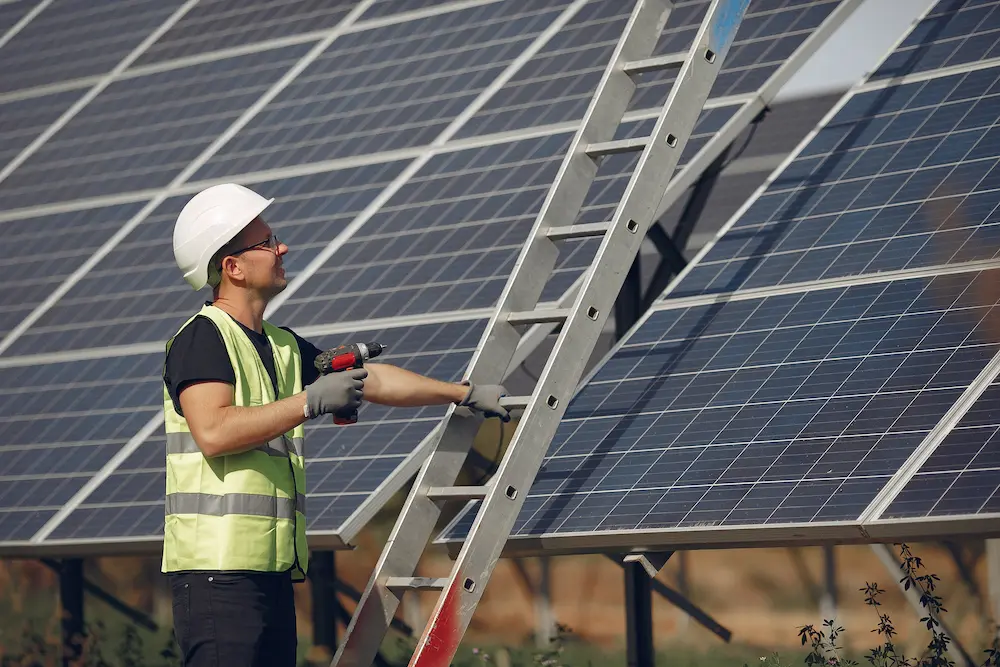
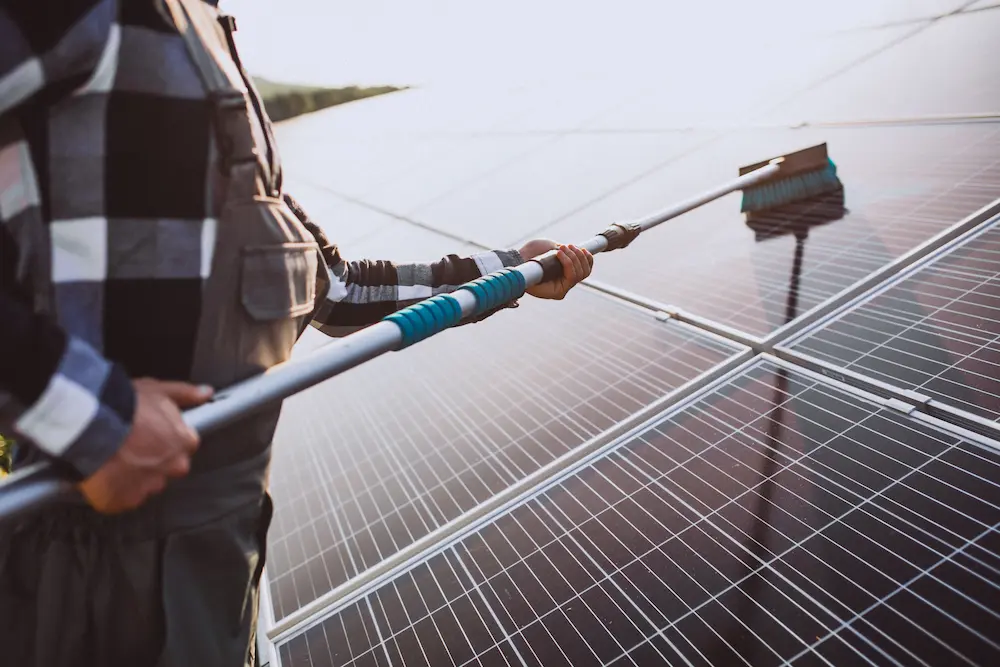
Professional cleaning ensures safety and avoids micro-scratches.
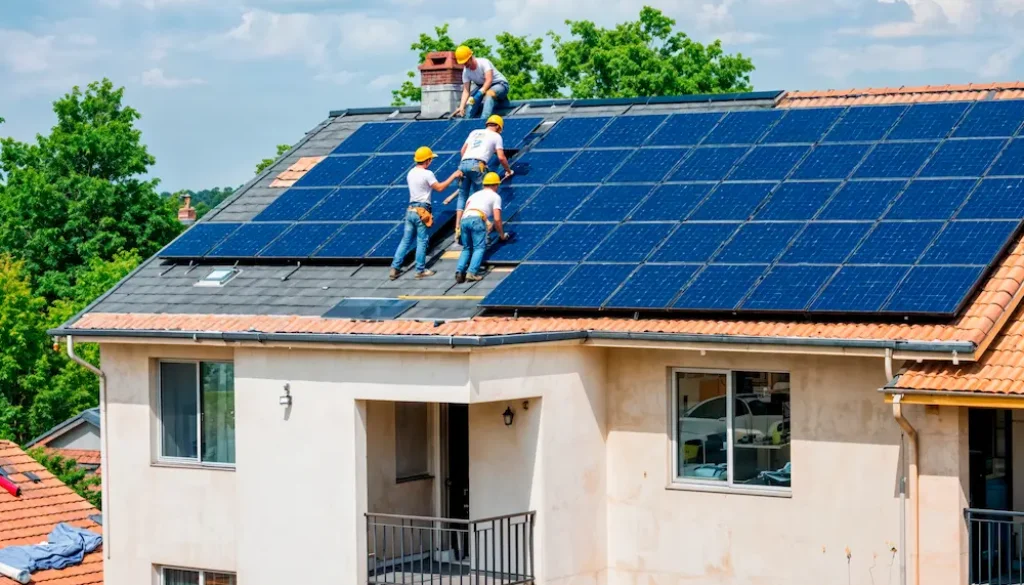
Consider periodic inspection alongside cleaning, especially if your system was installed through a rooftop solar installation in Kerala.
2. Visual Inspection
Check for:
- Cracks in panels
- Loose wiring
- Rust in mounting structures
- Bird nesting
Early detection prevents expensive repairs.
3. Monitor System Performance
Modern systems allow real-time monitoring.
Watch for:
- Sudden drop in generation
- Irregular patterns
- Inverter alerts
If you’re unsure how monitoring works, understanding your system through a solar inverter guide for Kerala homes can help you identify performance issues early.
4. Professional Maintenance Checks
Annual inspection should include:
- Electrical testing
- Mounting structure inspection
- Inverter health check
- Earthing verification
Professional servicing ensures compliance and safety.
Common Maintenance Mistakes to Avoid
- Using hard water or detergents
- Walking directly on panels
- Ignoring minor drops in performance
- Delaying maintenance for years
These mistakes can shorten system lifespan significantly.
Repair vs Replacement: What Should You Know?
Solar panels rarely fail—but when they do:
- Minor issues can be repaired
- Inverter replacements may be needed after 8–12 years
- Wiring upgrades may be required over time
Choosing quality components during installation reduces long-term maintenance costs.
How Proper Installation Reduces Maintenance Needs
Maintenance begins at installation.
A well-installed system:
- Minimises dust accumulation
- Ensures proper drainage
- Uses corrosion-resistant materials
- Provides easy access for cleaning
This is why homeowners often refer to the best guide to buy solar in Kerala before installation—to avoid long-term issues.
Long-Term Benefits of Maintaining Your Solar System
- Consistent energy output
- Faster ROI
- Lower repair costs
- Extended system life
- Better resale value of the property
Final Thoughts
Solar panels are not just a one-time installation—they are a long-term investment.
Proper maintenance ensures that:
- You get the savings you were promised
- Your system performs efficiently for decades
- You avoid unnecessary repair costs
A well-maintained solar system is not just efficient—it is reliable.
FAQs
Keep Your Panels Shining! Want more power and longer life from your solar system?