PM-KUSUM 2.0: What Kerala Farmers Need to Know About India’s ₹50,000 Crore Solar Push
Farming in Kerala is becoming more expensive every year. Rising diesel prices, increasing electricity costs, irregular power supply, and changing weather conditions are putting pressure on farmers across the state.
Whether it is irrigation for paddy cultivation, coconut farms, banana plantations, vegetable farming, or fish farming operations, electricity and fuel expenses are now a major concern for agricultural sustainability.
At the same time, India is aggressively pushing towards renewable energy adoption through government-backed solar initiatives. One of the biggest developments in this sector is PM-KUSUM 2.0, a large-scale solar expansion plan focused on helping farmers reduce energy costs while creating additional income opportunities.
For Kerala farmers, this scheme is not just about installing solar panels. It represents a shift towards long-term energy independence and smarter agricultural infrastructure.
Understanding how the scheme works and how solar can support farming operations is becoming increasingly important in 2026.
What Is PM-KUSUM 2.0?
PM-KUSUM stands for:
Pradhan Mantri Kisan Urja Suraksha evam Utthaan Mahabhiyan
In simple terms, it is a government initiative designed to:
- Help farmers use solar energy for irrigation
- Reduce diesel dependency
- Lower electricity expenses in agriculture
- Increase renewable energy usage
- Allow farmers to generate additional income through solar power
The upgraded PM Kusum 2.0 Kerala initiative is part of India’s broader renewable energy expansion strategy, involving an estimated investment push of around ₹50,000 crore for agricultural solar development.
The scheme focuses heavily on:
- Solar-powered irrigation pumps
- Decentralized solar plants
- Agri-voltaic systems
- Solarization of existing agricultural pumps
For farmers struggling with rising operational costs, this could become a major long-term advantage.
Why PM-KUSUM 2.0 Matters for Kerala Farmers
Kerala’s farming landscape is different from many other Indian states.
Unlike large-scale industrial farming regions, Kerala agriculture often includes:
- Small and medium land holdings
- Mixed farming systems
- Coconut plantations
- Rubber cultivation
- Vegetable farming
- Banana farms
- Aquaculture and fish farming
These operations still depend heavily on:
- Water pumping
- Irrigation systems
- Electric motors
- Diesel-powered equipment
The problem is simple:
Fuel and electricity costs continue to rise.
Many farmers now spend a significant portion of their operational expenses on irrigation alone.
This is why solar pumps for farmers in Kerala are becoming more relevant than ever before.
The Rising Cost of Diesel and Electricity in Agriculture
Agriculture today is not only about cultivation. It is also about managing operational costs efficiently.
Farmers are currently dealing with:
- Rising diesel prices
- Increasing electricity tariffs
- Unstable power supply in rural areas
- Delayed irrigation during outages
- High generator dependency
Traditional irrigation systems often create long-term recurring expenses.
For example:
- Diesel pumps require continuous fuel purchase
- Grid-powered pumps depend on electricity availability
- Voltage fluctuations can damage motors and equipment
Over several years, these expenses add up significantly.
Solar-powered agricultural systems offer a different model:
- Lower recurring operational costs
- Reduced dependency on fuel
- More stable irrigation access
- Long-term savings
This is one of the biggest reasons why the government is promoting agricultural solar systems in Kerala under PM-KUSUM 2.0.
What Are Solar Pumps for Farmers?
A solar water pump uses solar energy instead of diesel or grid electricity to operate irrigation systems.
The setup usually includes:
- Solar panels
- Solar pump controller
- Water pump
- Mounting structure
During daytime, solar panels generate electricity that powers the irrigation pump directly.
Main Advantages:
- No diesel dependency
- Lower electricity expenses
- Reduced operating cost
- Environment-friendly irrigation
- Minimal maintenance
For farms requiring regular water pumping, this can create significant savings over time.
How Solar Irrigation Is Becoming a Long-Term Asset
Many farmers initially see solar as an expense.
But in reality, solar irrigation systems function more like long-term infrastructure assets.
Unlike diesel systems that continuously consume fuel, solar systems generate electricity for years after installation.
A quality solar system can operate efficiently for:
- 20 to 25 years
This changes the economics of farming.
Instead of recurring fuel costs, farmers invest once and benefit from long-term energy savings.
For irrigation-heavy agricultural operations, this becomes financially valuable over time.
What Is Agri-Voltaics and Why Is It Important?
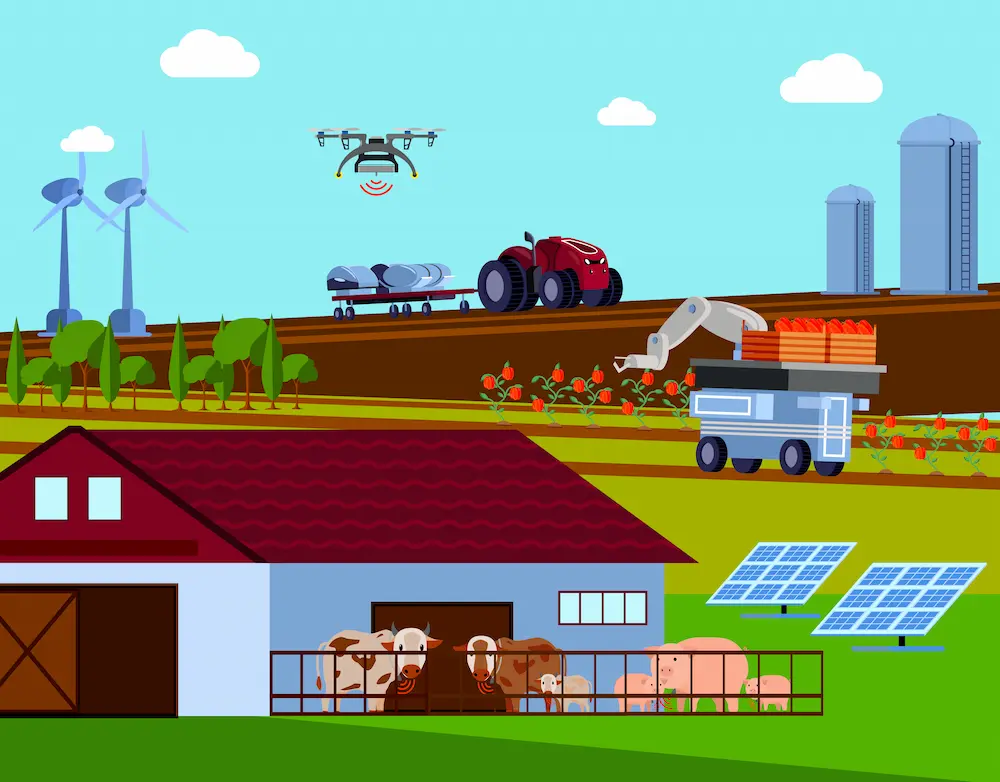
One of the most interesting opportunities under PM-KUSUM 2.0 is the concept of agri-voltaics.
What Is Agri-Voltaics?
Agri-voltaics refers to:
Using the same land for both farming and solar power generation.
Instead of dedicating farmland only for crops, solar panels are installed strategically while agricultural activities continue below or around them.
This creates dual benefits:
- Crop cultivation
- Electricity generation
How Farmers Can Generate Electricity and Continue Farming
Agri-voltaic systems allow farmers to:
- Produce solar electricity
- Use electricity for irrigation
- Potentially export excess power
- Continue farming activities simultaneously
This creates an additional income opportunity without completely sacrificing agricultural productivity.
In states with high agricultural electricity demand, this model is receiving increasing policy attention.
For Kerala farmers with suitable land conditions, this may become an important future opportunity.
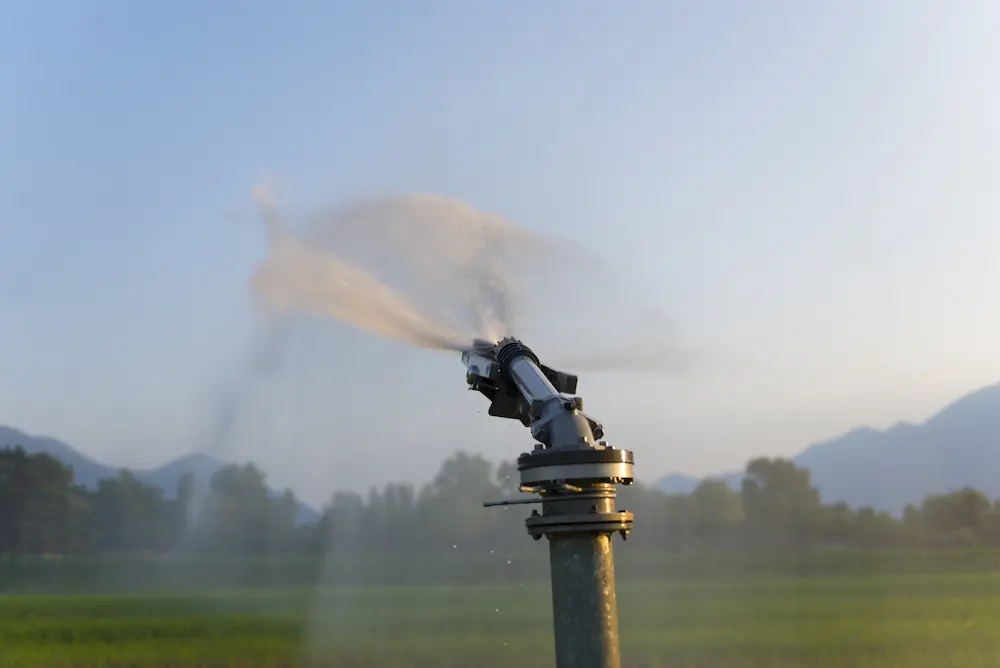
Why Solar Is Becoming Important for Kerala Agriculture
1. Unstable Rural Power Supply
In several rural areas, power interruptions can affect irrigation schedules and agricultural productivity.
Solar-powered systems reduce dependence on grid availability.
2. Climate and Water Management Challenges
Changing rainfall patterns make efficient irrigation increasingly important.
Reliable daytime pumping through solar systems improves irrigation flexibility.
3. Rising Long-Term Operational Costs
Fuel prices rarely move downward in the long term.
Solar systems help reduce recurring energy expenses.
4. Sustainable Farming Trends
Consumers and export markets are increasingly valuing sustainable agricultural practices.
Solar adoption supports environmentally responsible farming operations.
Types of Agricultural Solar Systems in Kerala
Different farms require different types of solar setups.
Solar Water Pump Systems
Used for:
- Irrigation
- Borewell pumping
- Pond management
- Fish farming
Grid-Connected Agricultural Solar Systems
Used for:
- Farm buildings
- Cold storage
- Processing units
- Equipment operation
Hybrid Solar Systems
Useful for:
- Areas with unstable power supply
- Backup support during outages
- Continuous operation needs
Common Mistakes Farmers Make Before Installing Solar
Choosing Based Only on Lowest Price
Cheap systems often compromise on:
- Panel quality
- Pump efficiency
- Mounting durability
- Long-term reliability
Poor-quality installations can reduce output and increase future maintenance costs.
Installing Incorrect System Size
An undersized system may fail to meet irrigation demands properly.
Proper load calculation and water requirement analysis are critical before installation.
Ignoring Future Expansion
Many farms later expand:
- Irrigation area
- Water demand
- Additional equipment usage
Solar systems should ideally account for future agricultural growth.
Why Choosing the Right Solar EPC Company Matters
Agricultural solar systems are technical infrastructure projects, not simple retail products.
Working with an experienced solar EPC company in Kerala is important because:
- Irrigation loads vary
- Farm layouts differ
- Water pumping needs change seasonally
- System sizing affects performance directly
Professional planning helps avoid expensive mistakes.
Is PM-KUSUM 2.0 a Good Opportunity for Kerala Farmers?
For many farmers, yes.
The combination of:
- Rising operational costs
- Energy uncertainty
- Government solar support
- Long-term electricity savings
makes agricultural solar increasingly practical.
However, the success of any solar investment depends on:
- Proper system planning
- Correct installation
- Realistic energy assessment
- Long-term operational goals
Solar should not be treated as a trend.
It should be viewed as long-term agricultural infrastructure.
The Future of Solar Farming in Kerala
India’s agricultural energy sector is changing rapidly.
As renewable energy adoption increases, solar-powered farming infrastructure is expected to become more common across:
- Irrigation systems
- Agricultural processing
- Rural power management
- Farm automation
For Kerala farmers, adapting early could provide both financial and operational advantages over the coming years.
Conclusion
PM-KUSUM 2.0 is more than a government solar scheme. It represents a major shift in how agriculture and energy are connected in India.
For Kerala farmers facing rising diesel prices, electricity costs, and irrigation challenges, solar systems offer a practical long-term solution.
Whether through solar pumps, hybrid systems, or future agri-voltaic opportunities, agricultural solar infrastructure is becoming an increasingly valuable asset for modern farming.
Choosing the right system and the right solar installation partner can make a major difference in long-term performance and savings.
FAQs
Keep Your Panels Shining! Want more power and longer life from your solar system?