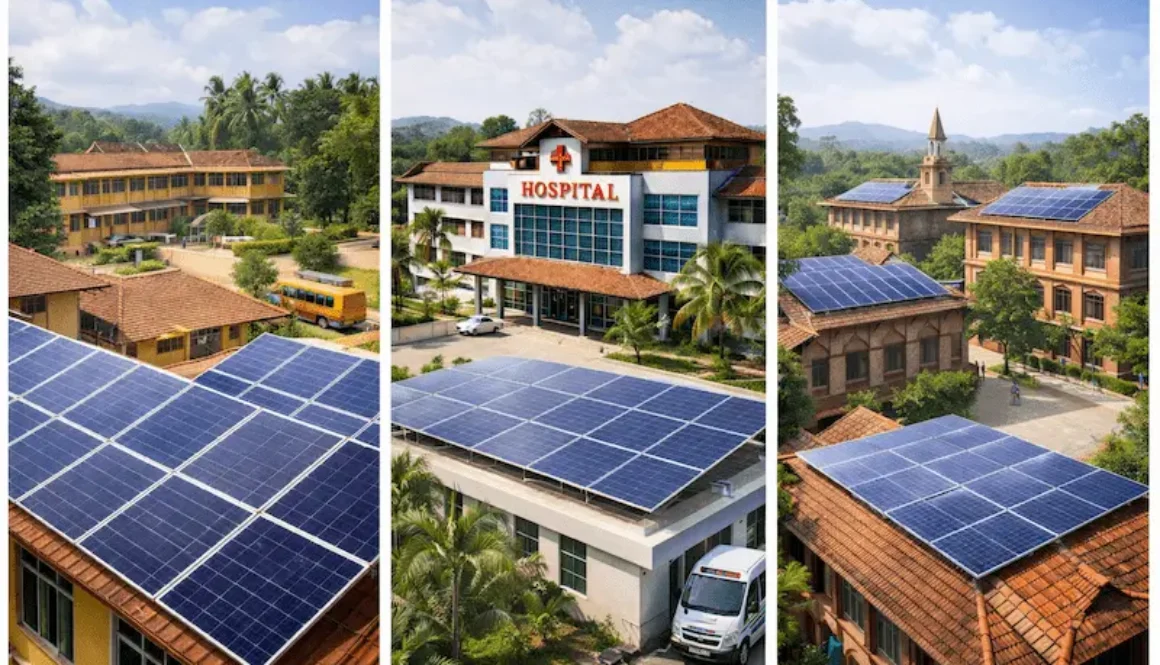
Why Schools, Colleges & Hospitals Are Switching to Solar Power for Institutions in Kerala
Across Kerala, a quiet energy revolution is unfolding. It’s no longer just individual homes that are embracing solar; schools, colleges, hospitals, and institutional campuses are now among the fastest-growing adopters of solar power systems. This trend isn’t accidental , it’s driven by a combination of rising electricity costs, sustainability goals, and the availability of central and state incentives that make renewable energy not just environmentally responsible, but financially smart.
At Solar Master, we’ve seen first-hand how solar helps institutions reduce operating costs, improve energy independence, and lead by example in the communities they serve. In this blog, we explore why institutions in Kerala are choosing solar, the benefits they’re seeing, and how your organization can make the switch too.
Why Institutions Are Turning to Solar Power in Kerala
Institutional buildings — whether educational campuses or healthcare facilities — typically operate long hours and draw significant amounts of electricity. Traditional grid power means:
- High recurring electricity bills
- Dependence on grid reliability
- Vulnerability during peak load times
- Limited control over energy sourcing
Solar power changes that equation. With solar installations in Kerala, organizations can generate a large portion of their energy on-site, reducing bills and stabilizing energy supplies even during peak demand.
1. Significant Cost Savings
Energy costs are one of the top expenditure categories for large institutions. Solar power systems convert sunlight into usable electricity, reducing the need to purchase power from the grid.
Institutions that adopt solar see a dramatic drop in monthly bills, in many cases cutting their grid electricity costs by 60–90%.
2. Predictable Long-Term Budgets
Electricity tariffs in Kerala and across India have been trending upward. Solar systems provide a predictable cost structure for energy:
- Install solar once
- Generate power for 20+ years
- Minimal maintenance
- Predictable operating expenses
This makes long-term budgeting easier for schools, colleges, and hospitals.
3. Strong Return on Investment (ROI)
With solar subsidy Kerala programs and improved financing options (including low-interest loans and net metering), institutions often see payback periods in the range of 4 to 7 years. After that, electricity produced is essentially free, directly benefiting the institution’s bottom line for decades.
Key Benefits for Different Institutional Sectors
Understanding the charger type is step one. Here’s the simple version:
Solar Power for Schools
Schools are natural candidates for solar:
- High rooftop or open land availability
- Energy consumed across day-time hours
- Long operating hours (lights, fans, electronics)
- Educational benefit — solar becomes a learning tool
Solar panels installed at schools also serve as visible sustainability demonstrations — inspiring students and staff to think about energy conservation.
Solar Power for Colleges
Colleges typically have larger campuses with multiple buildings, labs, hostels, and communal spaces. Solar power can:
- Meet significant portions of daily electricity needs
- Power labs and research facilities
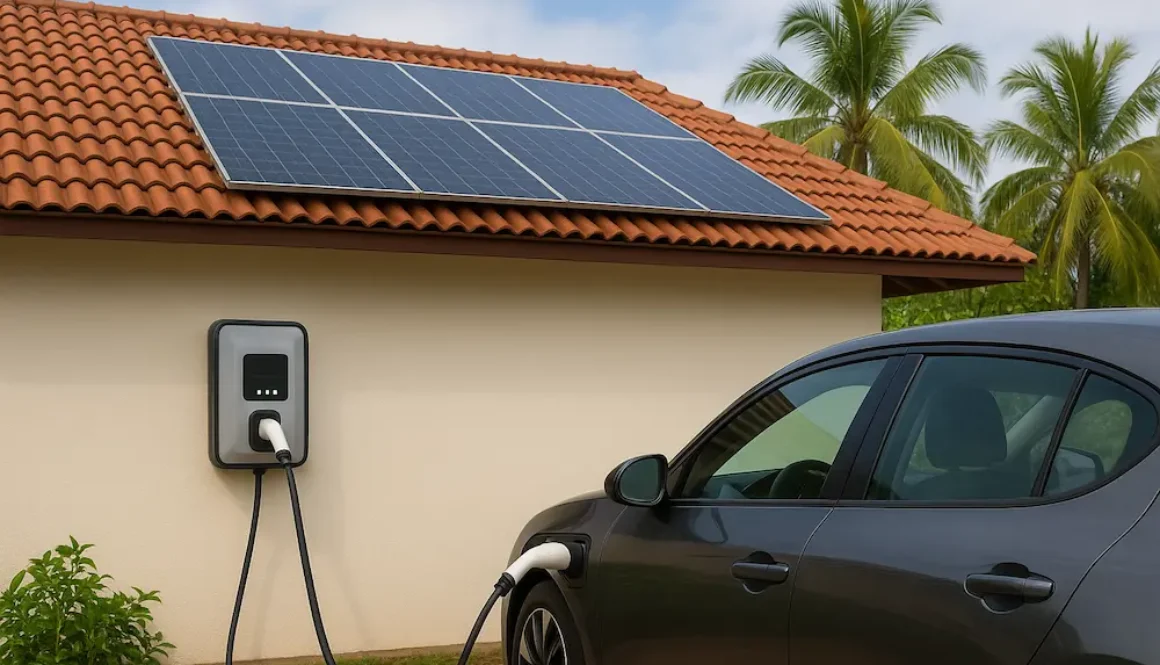
- Support EV charging stations for staff and students
- Reduce the overall carbon footprint of the campus
Many higher-education institutions integrate renewable energy topics into curricula alongside their own installations — reinforcing environmental leadership.
Solar Power for Hospitals
Hospitals operate 24/7 with critical equipment that must never lose power. While solar alone cannot replace backup generators or UPS systems, solar power:
- Reduces energy costs
- Improves power reliability during daytime hours
- Can be paired with battery storage for emergency support
- Reduces dependence on fossil fuels for power generation
Hospitals also benefit from net metering and subsidy incentives that make solar adoption financially attractive.
How Solar Works for Institutions
Institutional solar systems typically include:
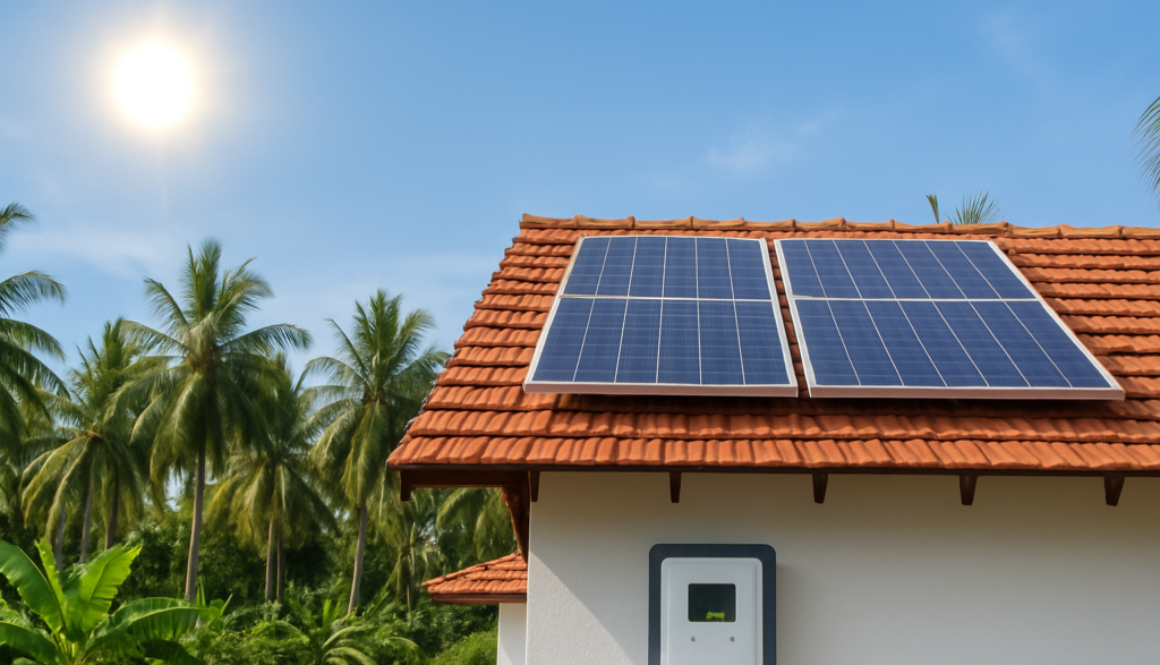
Solar PV Panels
These capture sunlight and convert it into electricity.
Solar Inverters
Inverters convert DC power from panels into AC power usable by existing electrical systems.
Battery Storage (optional)
For facilities like hospitals that need uninterrupted power, battery systems store excess generation for use during outages or peak times.
Net Metering
Net metering allows institutions to export excess solar energy back to the grid in exchange for credits — further reducing their bills and improving return on solar investment.
Maximizing Solar Benefits with Policies & Incentives in Kerala
Solar Subsidy (Central & State)
Various incentives available to institutions include:
- Central government PM Surya Ghar subsidies
- State-specific initiatives supporting rooftop solar
- Net metering benefits under KSERC regulations
- Financing through nationalised banks with attractive interest rates
These incentives help make solar install costs more affordable and improve ROI.
Real-World Solar Success Stories
At Solar Master, we’ve partnered with multiple institutions across Kerala to help them harness solar power. Some outcomes we consistently see include:
- Energy cost reductions of up to 70% in the first year
- Faster ROI due to subsidies and energy savings
- Enhanced public perception as environmentally proactive institutions
- Improved energy reliability for mission-critical facilities
For example:
A private school in Kochi replaced most of its daytime grid load with solar, freeing up funds for educational programs. A community hospital in Thrissur now uses solar power for its outpatient and administrative wings, reducing reliance on diesel generators.
Steps for Institutions to Go Solar
1. Conduct a Site Assessment
A professional energy audit to understand your consumption patterns, roof capacity, and shading issues.
2. Finalise System Size
This depends on load requirements and net energy goals (bill reduction vs. partial/full self-sufficiency).
3. Choose Certified Components
Panels, inverters, batteries (if used), and mounting structures must meet quality and warranty standards.
4. Apply for Subsidies & Net Metering
Solar Master assists with paperwork and approvals to ensure you capture every available incentive.
5. Professional Installation
Qualified installers ensure safe, efficient setup with minimal disruption to daily operations.
6. Post-Installation Monitoring
Solar systems with monitoring dashboards allow real-time performance insights and faster maintenance.
Solar Power Is More Than Savings : It’s Sustainability in Action
For schools, colleges, hospitals, and institutional campuses across Kerala, investing in solar power is both a financially prudent and socially impactful decision. Beyond reduced bills and strong ROI, solar installations strengthen energy resilience, enhance institutional credibility, and reduce carbon footprints — aligning with global sustainability goals.
As the state continues to innovate its solar policies and incentives, the window for impactful solar adoption has never been better.
With Solar Master’s expertise, institutions can not only harness solar energy efficiently but also become leaders in Kerala’s clean energy transition.
FAQs
Keep Your Panels Shining! Want more power and longer life from your solar system?